
Acoustic Glazing for Sash Windows
A practical guide to acoustic glass, performance evidence and the frame, seal and weight checks needed when considering a sash window glazing upgrade.
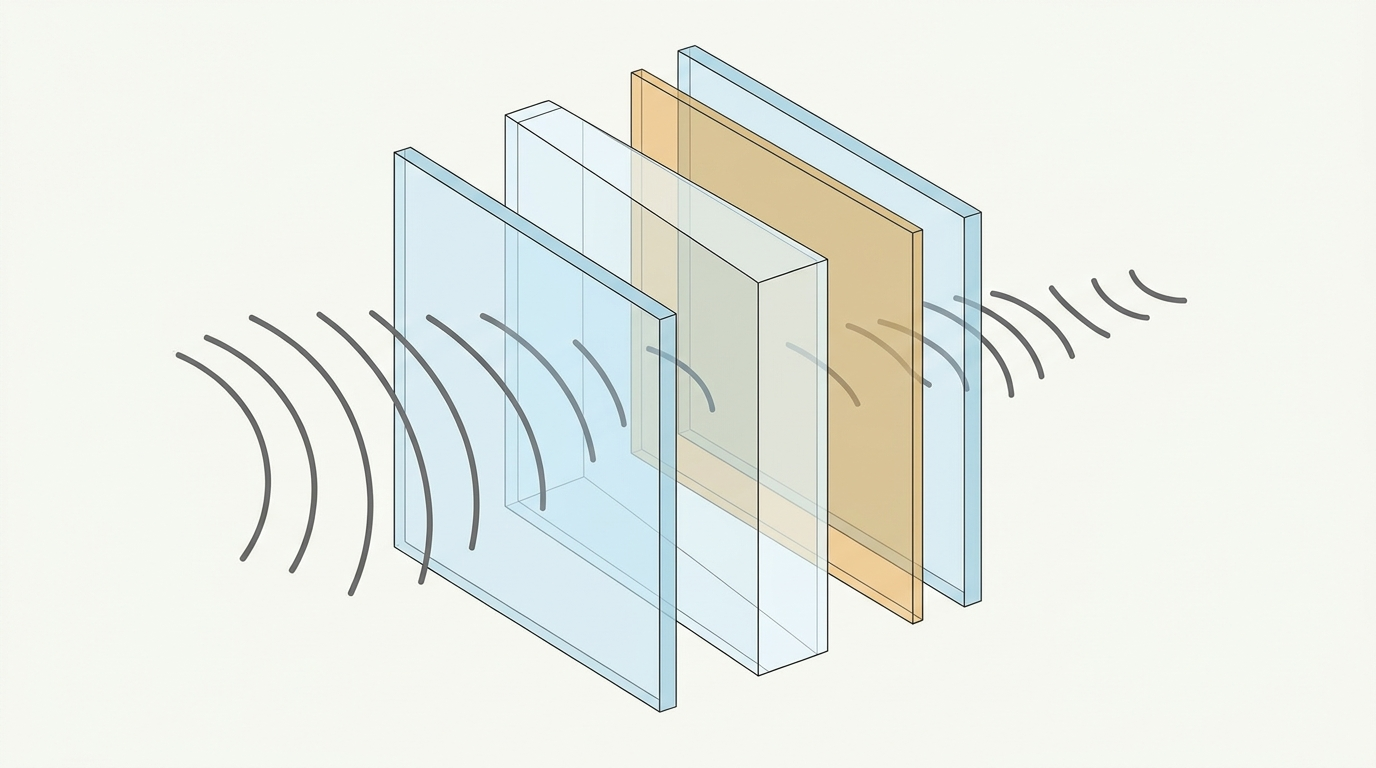
Acoustic glazing is glazing selected to reduce sound transmission. It may use acoustic laminated glass, different glass thicknesses and a suitable glazing arrangement. It is not necessarily a double-glazed unit, and the label alone does not tell you how a complete window will perform.
For a London home affected by road, rail or aircraft noise, the starting point is the noise problem and the existing window. Choosing a product before checking the frame, seals, ventilation and available space can leave the main sound path untreated.
How Does Acoustic Laminated Glass Work?
Laminated glass combines glass layers with an interlayer. An acoustic product uses an interlayer designed to damp vibration and improve sound insulation. It can be used as a glazing leaf or incorporated into an insulating glass unit.
Pilkington’s acoustic glass information illustrates this distinction. The performance belongs to the specified construction; it should not be inferred from the word “laminated” or interlayer thickness alone. This manufacturer example is not a statement that AMB supplies that particular product.
Different glass thicknesses, cavity arrangements and acoustic interlayers can affect different parts of the sound spectrum. More panes, a thicker interlayer or a higher price do not by themselves establish the best solution for a room.
What Do Acoustic Ratings Tell You?
Product information may state an Rw rating, the weighted sound reduction index, together with spectrum adaptation terms such as C and Ctr. These describe performance under specified test conditions; Pilkington’s noise-control technical bulletin explains the measures. Ask which rating is relevant to the noise being assessed and what assembly was tested.
A laboratory rating for glass is not a guaranteed reduction in the noise level inside your bedroom. The installed window, vents, wall, junctions and other sound paths also matter. Do not subtract a brochure figure from an outdoor measurement and treat the result as a prediction for the room.
A useful comparison identifies the exact glass build-up, test standard, rating and whether the evidence applies to the glass or the complete window. Where noise is severe or a particular internal target must be met, an acoustic consultant can help establish the brief and assess the wider building.
Why the Frame and Seals Matter
Sound can pass through gaps around a sash or through other parts of the opening. Glass alone cannot correct poor fit, missing seals or a separate noise path through ventilation. An assessment should therefore consider the whole window and its surroundings.
Draught-proofing can form part of a proposal, but do not block designed ventilation to chase a quieter room. Required ventilation and any acoustic treatment should be considered together.
Can Acoustic Glass Fit Existing Sash Windows?
Sometimes, but compatibility needs to be checked. The glazing rebate, edge cover, overall unit thickness, sash condition and weight all affect the decision. A replacement glass assembly may need different balancing or alterations; it cannot be assumed to fit every period sash without modification.
The thickness of a laminated pane is not the thickness of a complete sealed unit. The other glass leaf, cavity and interlayer must all be accounted for. Ask for a full written build-up and a drawing showing how it is accommodated.
- What are the existing rebate dimensions and condition?
- What is the overall thickness and weight of the proposed glazing?
- Can the sash, joints and balance system accommodate it?
- What changes to beads, seals or profiles are needed?
- What are the glazing system’s installation and maintenance requirements?
Possible routes include repair and sealing, a compatible glazing upgrade, replacement sashes or a new window. Secondary glazing may also merit a separate assessment. The right scope depends on the property rather than a universal “slim acoustic” specification.
Road, Rail and Aircraft Noise
Describe what disturbs you and when: continuous traffic, individual vehicles, aircraft events or vibration associated with passing trains. Note the affected rooms and whether the problem remains with the windows shut.
Different sources and buildings need different assessments. A particular interlayer thickness cannot be prescribed solely because a home lies near Heathrow or a railway. Noise transmitted through the building structure will not necessarily be resolved by changing glass.
Period Properties and Permissions
Where historic fabric is important, changes to glass, profiles and fittings need careful consideration. Historic England’s guidance on older windows discusses retaining existing work and assessing whether altered glazing can be accommodated.
Check any permissions relevant to the building before altering the windows. Neither an acoustic label nor a vacuum glazing brand guarantees consent. Building Regulations compliance and planning or listed building consent are separate questions.
What Should an Acoustic Glazing Quote Include?
Ask for the actual product and glass build-up, relevant performance evidence, any changes to the joinery or balances, the extent of sealing and installation, and the applicable care and warranty terms. Prices should be compared for the same scope.
No general price or noise-reduction promise is given here: the appropriate specification has to be established for the window and the problem. Thermal performance and acoustic performance are separate criteria, so a low U-value alone does not establish noise control.
Frequently Asked Questions
Will acoustic glazing make a room soundproof?
No. It can be part of a noise-control proposal, but sound may still enter through the window assembly and other parts of the building.
Is triple glazing always quieter than double glazing?
No. Compare the tested constructions and the intended noise source rather than pane count alone.
Can I keep my existing timber frames?
That depends on their condition and compatibility with the proposed system. An inspection should establish what can be retained and what needs changing.
For timber sash windows, see AMB Joinery’s glazing upgrade information or tell us about your window and noise concerns. Ask which options can be supplied for your project before choosing a specification.

