
Timber Casement Windows in London
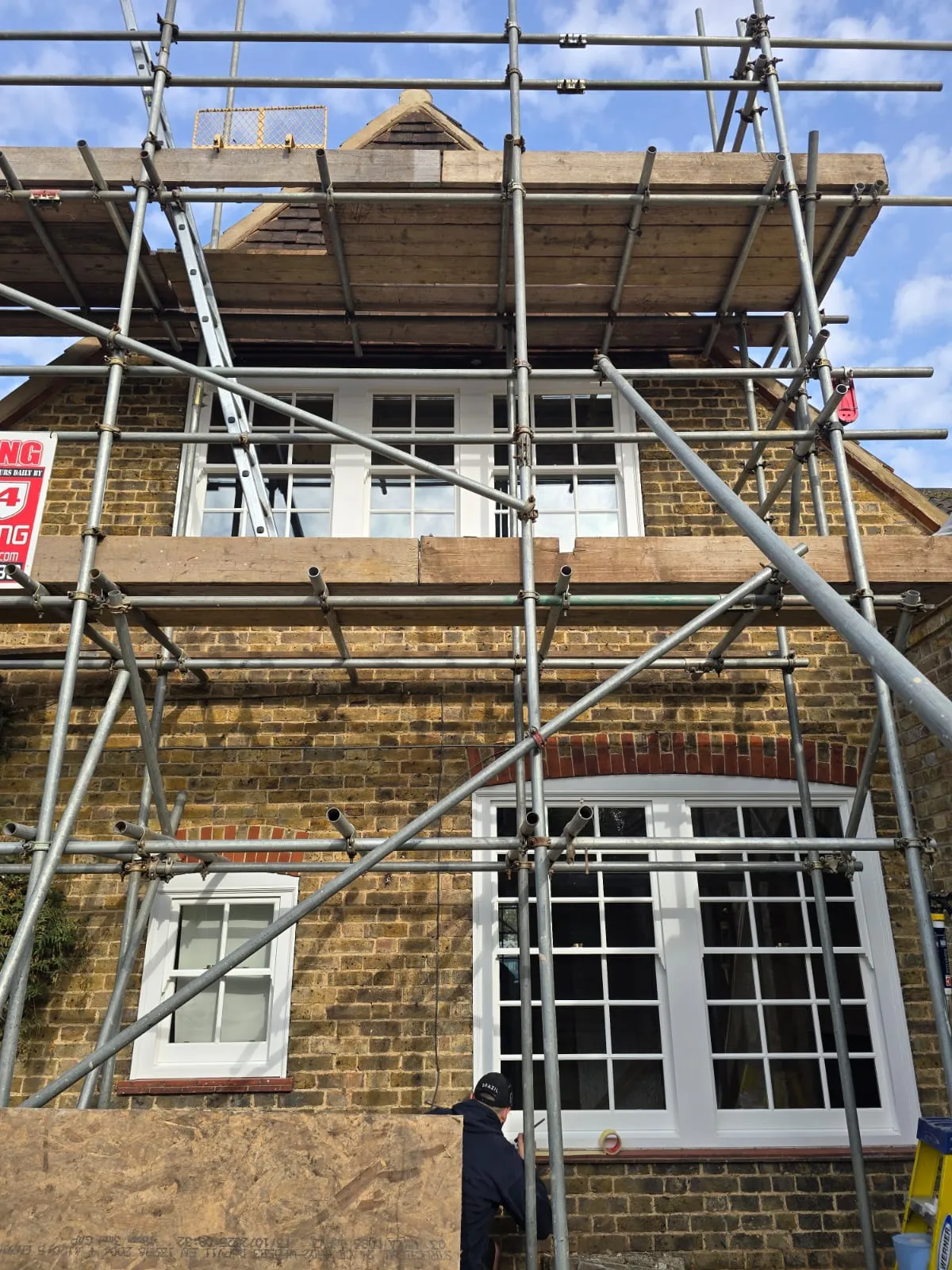
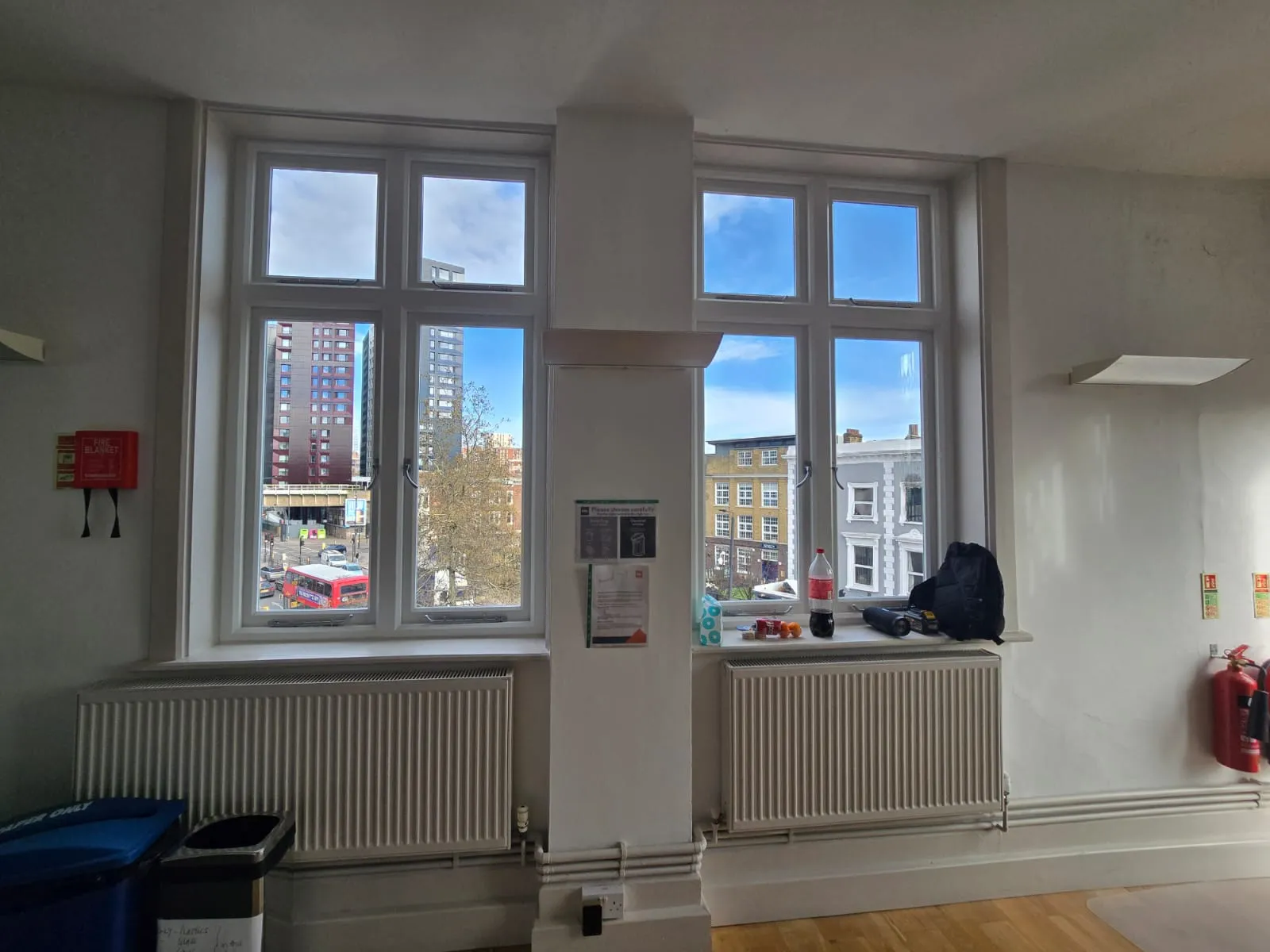
Casement windows are the most common window type in English domestic architecture — predating the sash by centuries and still the correct specification for a wide range of London period properties. AMB Joinery designs, manufactures and installs bespoke timber casement windows across London, made to measure for each opening, matched to original profiles and FENSA-certified on completion.
We do not supply off-the-shelf casement units. Every window we make is manufactured specifically for the property.


Casement Windows vs Sash Windows
The two types operate differently. A sash window slides vertically — the upper and lower sashes move independently within the box frame. A casement window is hinged at the side or top and swings open outward, like a door. There is no counterbalance weight mechanism; instead, a stay holds the sash open at the desired position.
Choosing the correct type is not a matter of preference — it is a matter of what was original to the building. In many London properties, the answer is obvious from what is already there. In properties where previous owners have replaced original windows with something inappropriate, establishing what was original requires research.
Casement windows are typically original to:
- Pre-Victorian cottages and rural-style properties
- Arts and Crafts houses (1880s–1910s)
- Arts and Crafts estate developments across London (Hampstead Garden Suburb, Bedford Park, parts of Chiswick and Brentford)
- Early twentieth-century council cottage estates
- Modern extensions and new openings where sash would be architecturally incongruous
Sash windows are typically original to:
- Victorian and Edwardian terraces (the majority of inner London housing stock)
- Georgian townhouses
If you are uncertain which is correct for your property, we will advise during the survey.

What Makes a Quality Timber Casement Window
Made-to-Measure Sizing
No two openings in a London period property are truly identical. Decades of settlement, repointing and previous window replacements mean that even nominally identical windows in the same elevation will differ in width, height and reveal depth. AMB Joinery measures every opening individually before manufacture. We do not use packers or infill pieces to make a standard unit fit — the window is built to the opening.
Profile Matching
The visual character of a casement window is defined by the moulding profiles on the stiles, rails and glazing bars; the size and shape of the horns (if present); and the ovolo or weathered detail at the outer face. When replacing one window in a pair or a row, we match these details precisely from a physical sample. When replacing all windows in a property, we work from the surviving originals or from measured drawings.
Timber Species
We manufacture casement windows in the same timber range as our sash windows:
Accoya — our standard recommendation for exposed positions and any property where longevity is the priority. Acetylated radiata pine with a 50-year above-ground durability guarantee. Dimensionally stable, accepts paint well, Class 1 durability. The correct choice for ground-floor windows and any elevation with high exposure to driving rain.
European Redwood — a traditional and cost-effective choice for properties where budget is a constraint and maintenance will be consistent. Select grade, kiln-dried stock.
Oak and hardwoods — available for properties where a natural hardwood finish is required, or for conservation area applications where hardwood is specified in the planning consent.
Hardware
Traditional casement ironmongery is available in a range of finishes: black-painted cast iron (correct for many Arts and Crafts properties), satin brass, polished chrome and bronze. We specify espagnolette bolts for larger casements and friction stays for smaller lights. All hardware is sourced from UK manufacturers where possible.
Glazing Options
All our casement windows can be glazed to specification:
- Single pane — for listed buildings and the most restrictive conservation area applications; available in horticultural glass (with natural fire marks and slight surface irregularities) for authentic period appearance
- Slim double-glazed units — 4–8mm total sealed units that fit within the original rebate depth with minor adjustment; available in standard, low-e, acoustic and solar control specifications
- Fineo vacuum glazing — 6.7mm total thickness with a centre-pane U-value of approximately 0.7 W/m²K; the correct solution for conservation areas where a standard sealed unit would visibly alter the window profile
Planning and Conservation Areas
Most like-for-like casement window replacements in standard residential properties are permitted development — no planning application is required. There are two main exceptions.
Listed buildings require Listed Building Consent for any alteration to windows, regardless of how minor. The consent process requires detailed drawings and, in most cases, a design and access statement. We assist with both.
Conservation areas with Article 4 Directions require a planning application even for replacement windows. Many London boroughs have extensive Article 4 coverage — Hackney, Islington, Kensington and Chelsea, Camden, Richmond and others. Where the original window type was casement, the local authority will typically expect like-for-like casement replacement; substituting sash windows would not normally be approved.
We establish the planning position for your specific property during the survey and advise accordingly before any manufacturing commitment is made.
FENSA Certification
All casement window replacement work carried out by AMB Joinery is registered with FENSA. The certificate self-certifies compliance with building regulations (principally Part L thermal performance) and is provided within 30 days of completion. Find out more on our FENSA compliance page.

The Process
Free site survey
We measure every opening, establish the planning position, discuss glazing specification and profile requirements
Specification approval
Detailed drawings and a written specification for your approval before manufacturing begins
Manufacturing
All windows made to order; lead time typically 6–10 weeks from specification approval
Installation
Existing windows removed; new windows fitted, adjusted and tested; external making-good completed
FENSA certification
Registration completed; certificate issued within 30 days
Frequently Asked Questions
What is the difference between a casement window and a sash window?
A sash window slides vertically — the upper and lower sashes move within a box frame using counterbalance weights. A casement window is hinged at the side or top and opens outward, held in position by a stay. The correct choice for your property depends on what was original to the building, not on personal preference — particularly in conservation areas and listed buildings.
Can I replace my sash windows with casement windows?
Possibly, but it depends entirely on what was original to your property. In a Victorian terrace where sash windows have always been the type, replacing them with casements would be architecturally inappropriate and would not receive planning permission in most conservation areas. In an Edwardian cottage or Arts and Crafts property where casements were original, switching back from incorrectly installed sash windows would be entirely correct and in most cases preferred by the planning authority.
Why should I choose timber over other materials?
Timber is the only material accepted by planning authorities for like-for-like replacement in listed buildings and the majority of conservation areas. It is also the only material that can be accurately profiled to match original window sections. AMB Joinery does not install uPVC or aluminium windows.
Do I need planning permission to replace my casement windows?
In most cases, no — replacement is permitted development. The exceptions are listed buildings (always require Listed Building Consent) and properties in conservation areas with Article 4 Directions (require a planning application). We will confirm the position for your property during the survey.
Get a Free Survey
Request a free survey and we will visit your property, measure every opening, assess the planning position and provide a detailed written quote. We work across all London boroughs and respond to enquiries within 24 hours. For comparison with vertical sliding windows, see our sash window replacement service.

